Cape Demolition Co: Demolition Contractors for Houses, Commercial Buildings and Structures in Cape Town
Cape Demolition Co demolishes houses, commercial buildings, walls, slabs, pools and outbuildings across greater Cape Town. Work covers full demolition down to footings, partial and selective demolition, and interior strip-outs. Every job includes site clearance and disposal at a licensed landfill, with the City of Cape Town demolition permit and waste management plan handled as part of the quote.
Free site visit and written quote anywhere in greater Cape Town.
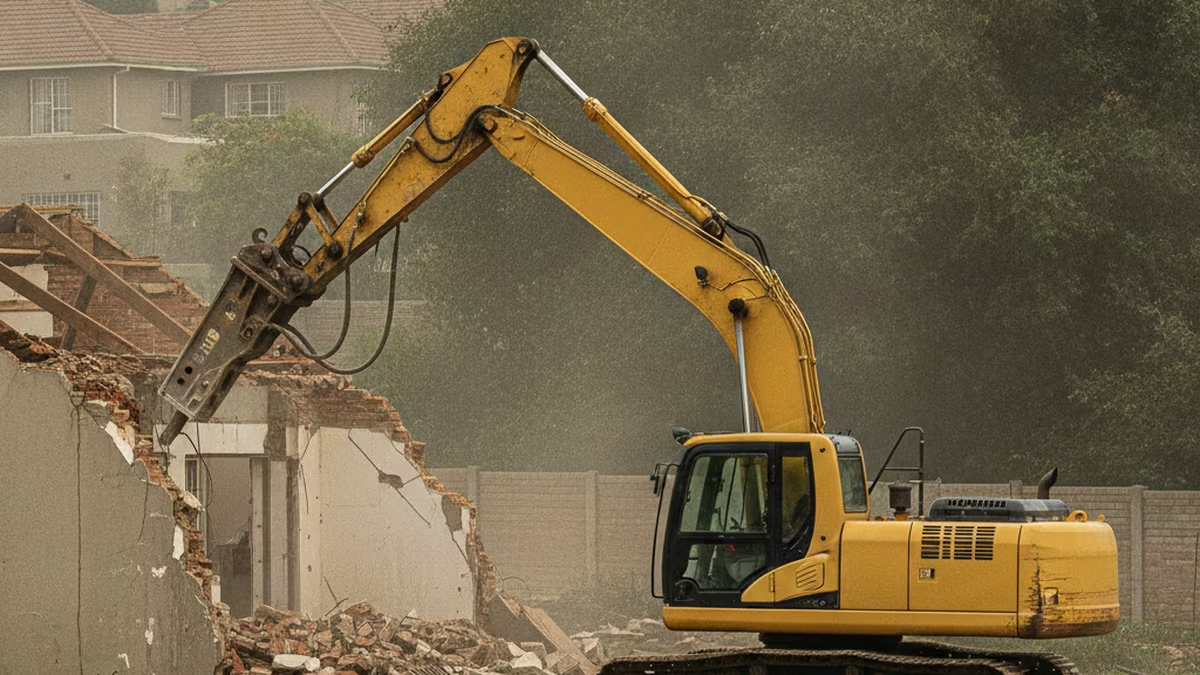
What Cape Demolition Co demolishes
Demolition splits by what is being taken down and how much of it goes. Each page below covers the method, the plant and the cost basis for that work.
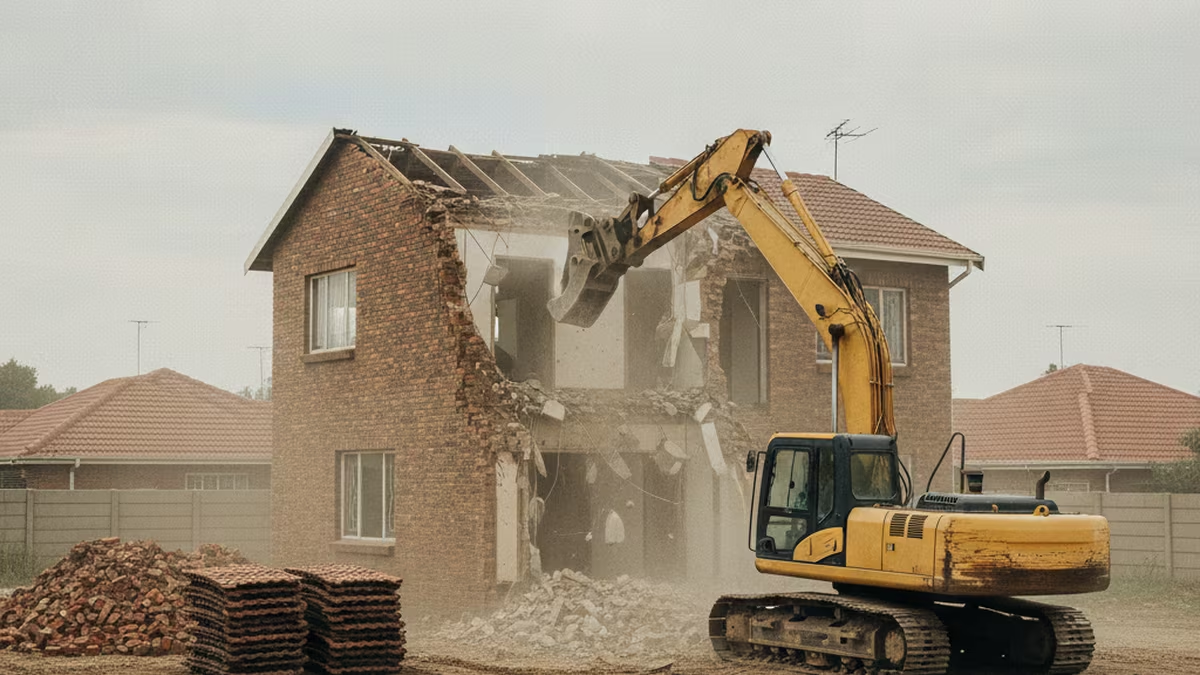 House demolitionSingle and double-storey dwellings, to slab or to footings.See detail →
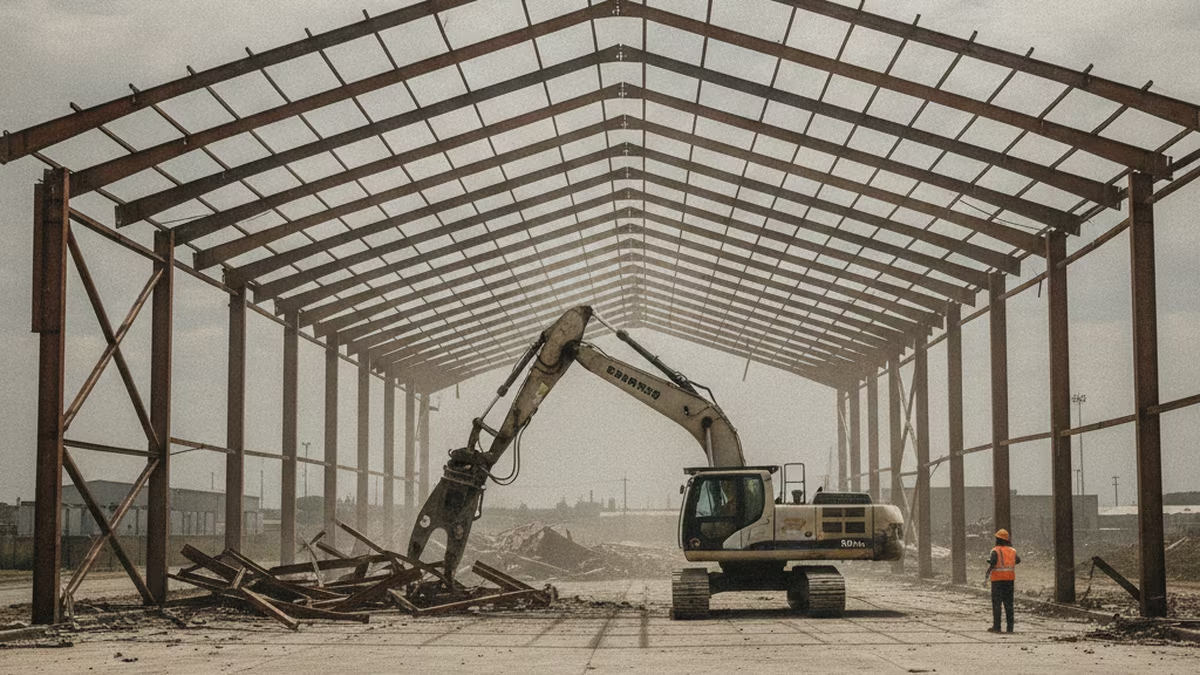 Commercial & industrialShops, offices, warehouses, factories, silos and tanks.See detail →
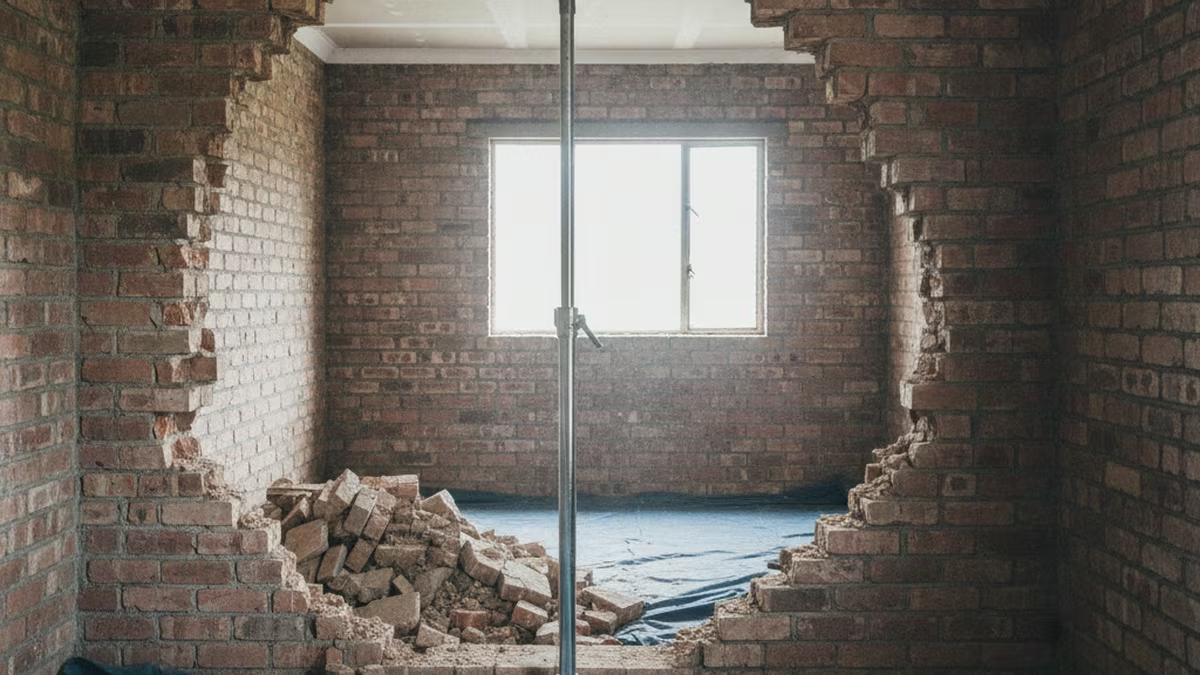 Partial & selectiveInternal and load-bearing walls, openings, chimneys, staircases.See detail →
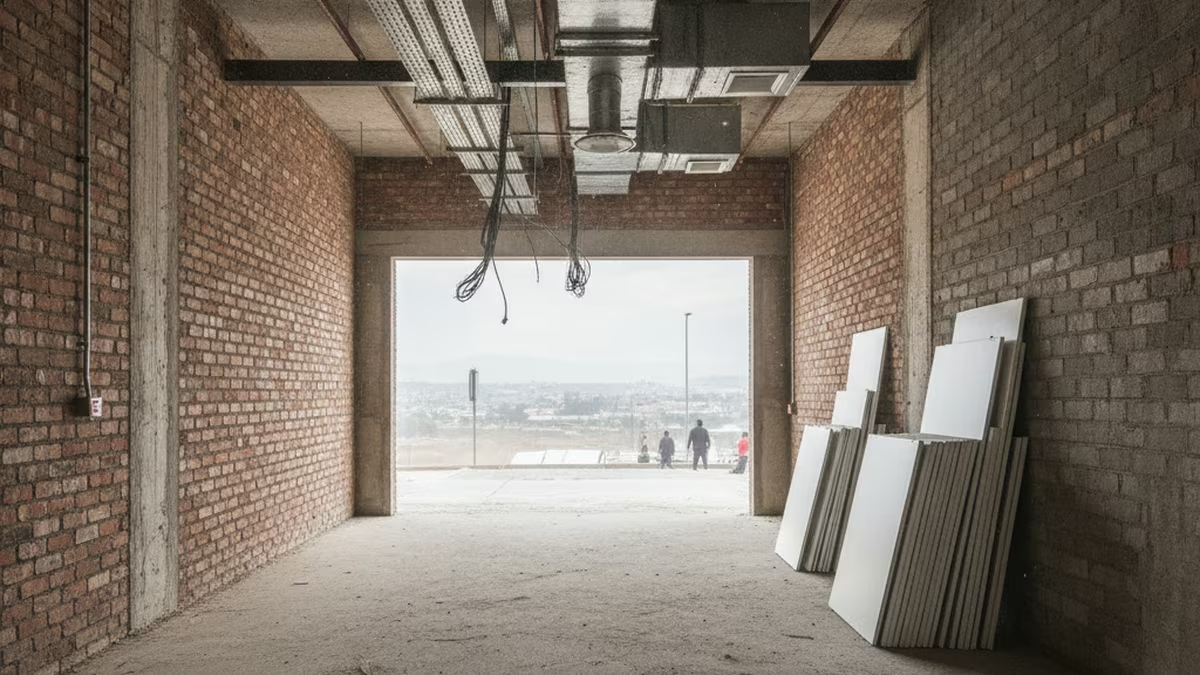 Interior strip-outKitchens, bathrooms, shop and office fit-out removal.See detail →
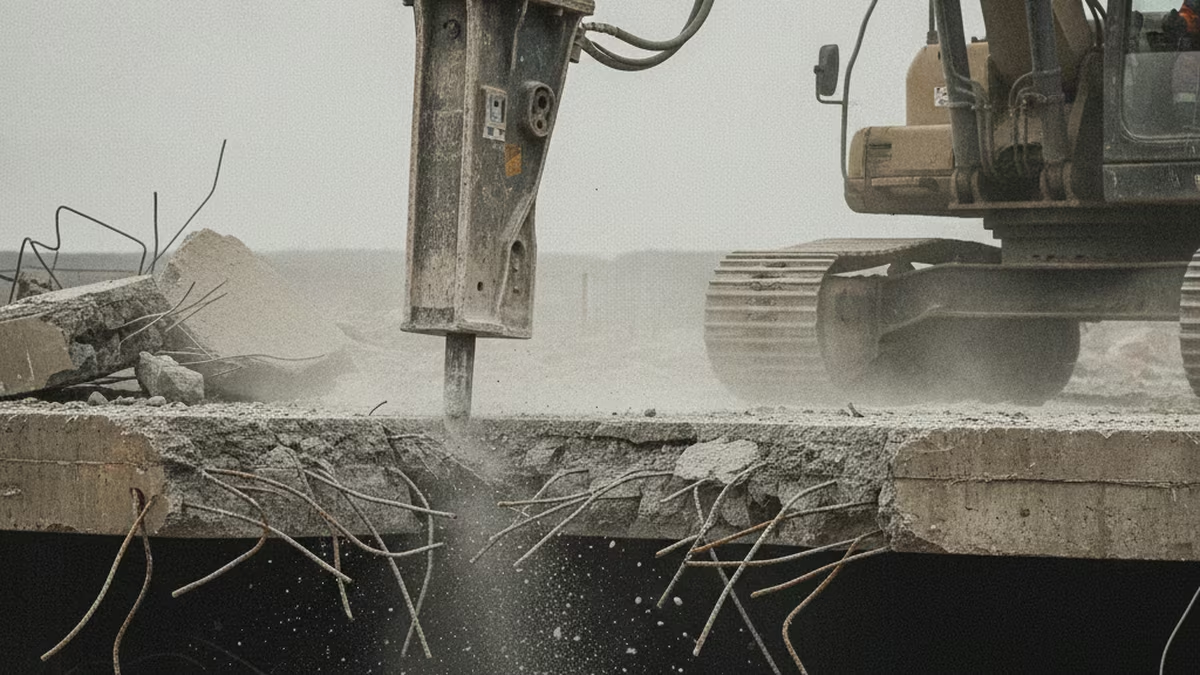 Concrete demolitionSlabs, footings, driveways, paving and retaining walls.See detail →
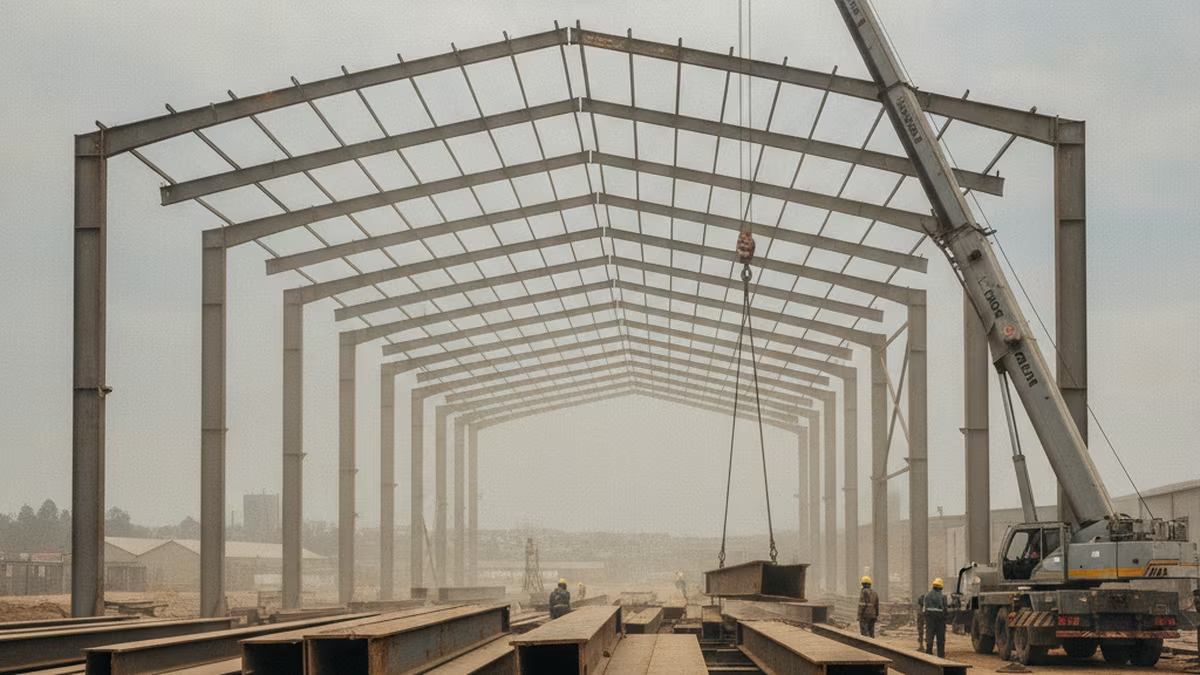 Steel dismantlingPortal frames, sheeting and tanks, with salvage credited.See detail →
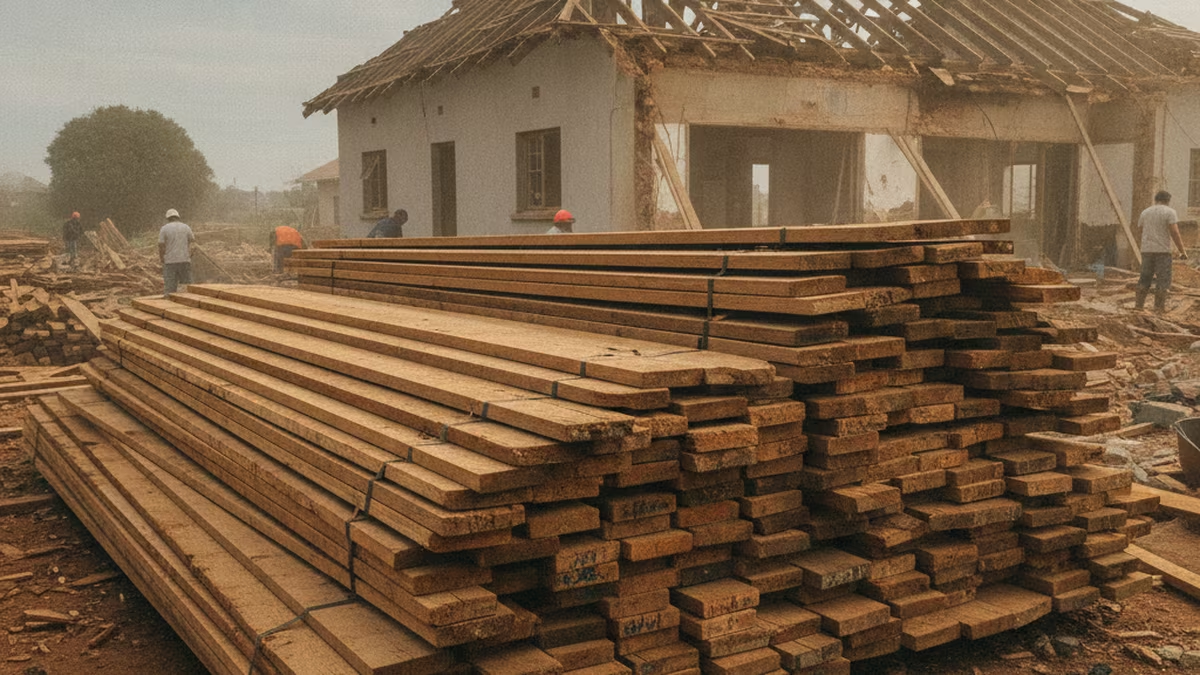 Timber demolitionDecks, pergolas, trusses and Oregon pine floors.See detail →
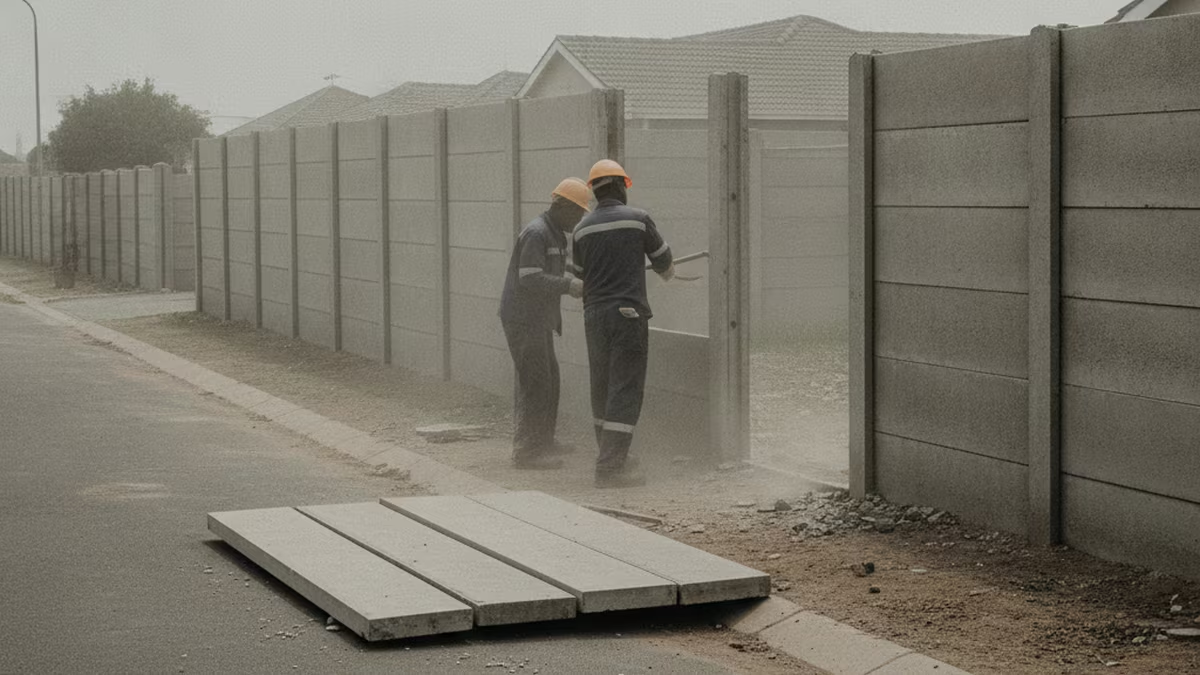 Walls & vibracretePrecast panels lifted intact, posts and footings out.See detail →
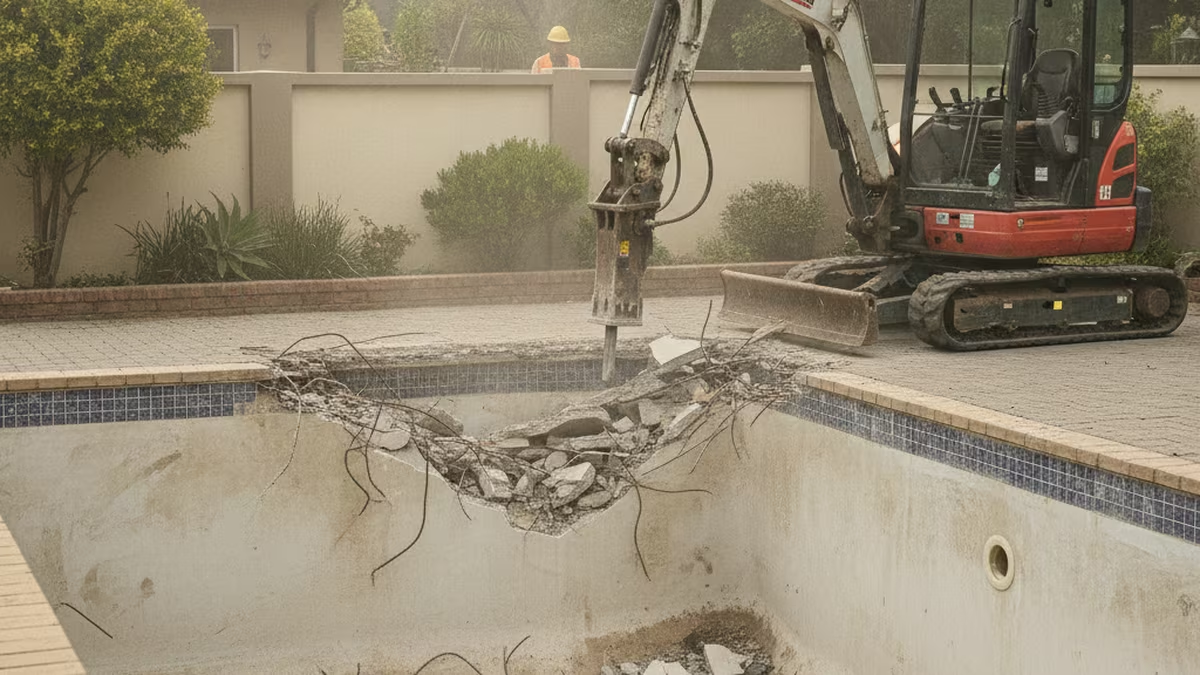 Swimming poolsFull removal, or partial removal with engineered fill-in.See detail →
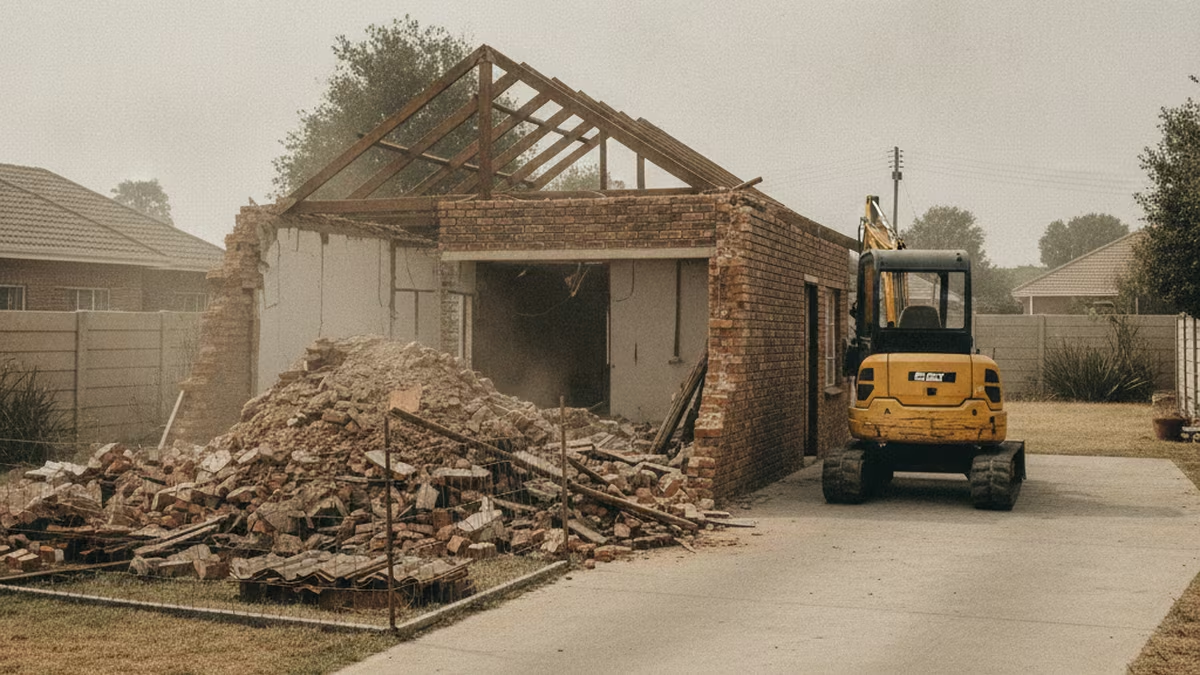 Garages & outbuildingsGarages, sheds, wendy houses, carports and shade ports.See detail →
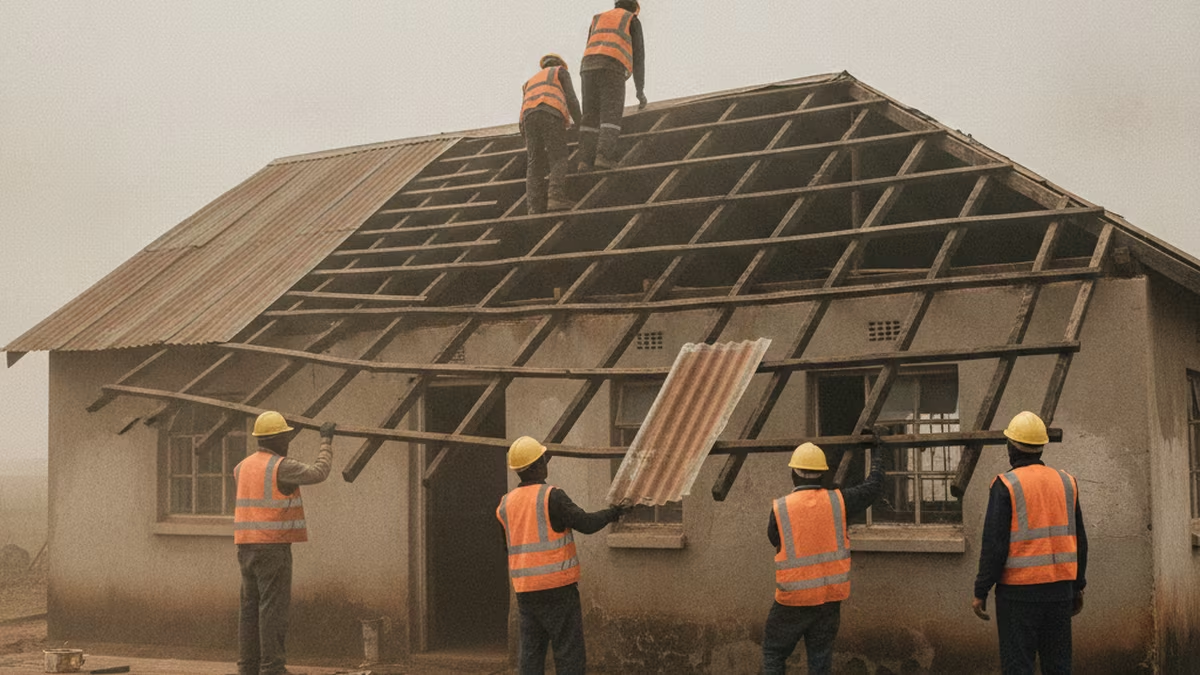 Roof removalThatch, corrugated iron, IBR, tiles and timber trusses.See detail →
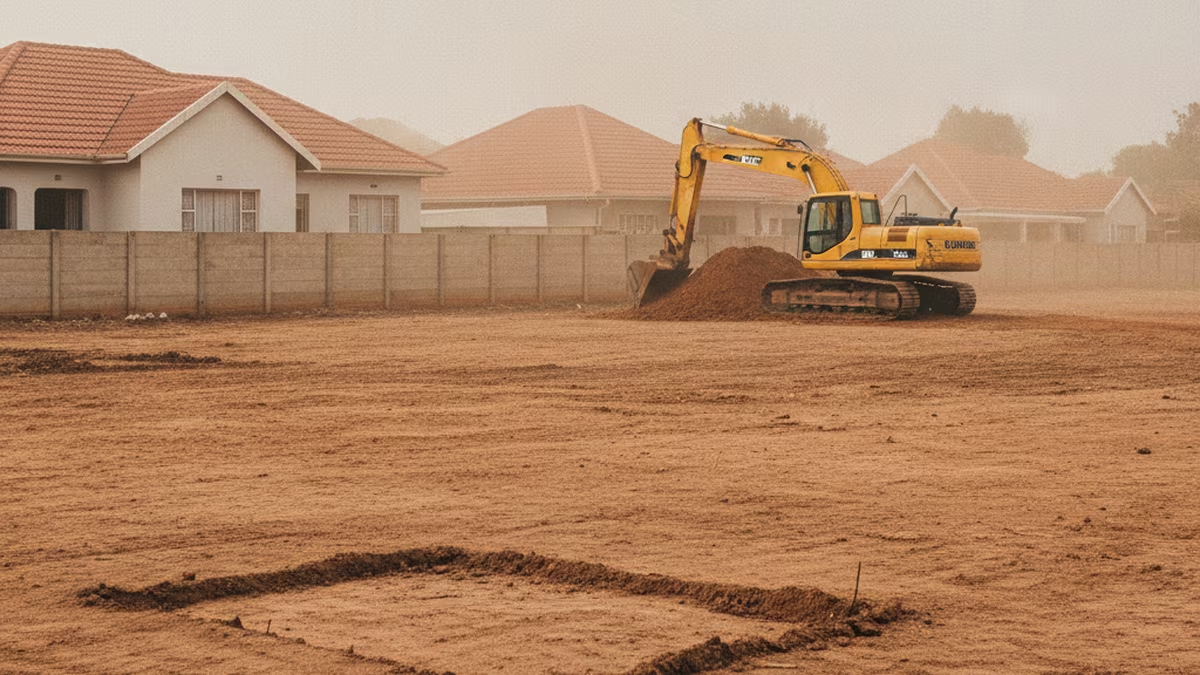 Site clearingWhole plots cleared of structures before a new build.See detail →
A full list of demolition types, sorted by scope, method and material, sits on types of demolition.
Cape Town conditions that shape a demolition
Demolition in Cape Town runs against four local constraints that change the method and the programme.
Heritage age gate
Section 34 of the National Heritage Resources Act 25 of 1999 blocks demolition of any structure older than 60 years without a permit. Cape Town carries a disproportionate share of pre-1966 building stock, so the age check happens before anything else.
Water-restricted dust suppression
Dust control on a demolition site normally runs on water. Cape Town restricts water use, so suppression relies on targeted misting at the breaker head, staged wetting of the drop zone, and screening rather than open hosing.
The south-easter
Summer south-easterly wind governs when high work runs. Wind carries dust onto neighbouring properties and destabilises partially demolished walls. High elements come down early in the day during the windy season.
Party walls in the older suburbs
Woodstock, Salt River and Observatory carry rows of Victorian semi-detached houses sharing structural walls. Demolishing one half requires temporary support and weatherproofing of the wall that stays.
What a demolition quote includes
- Site visit, structural assessment and heritage age check
- Demolition permit application to the City of Cape Town, with the waste management plan
- Notification of the building inspector 10 days before work starts
- Service disconnections arranged before demolition
- Demolition, load-out and site clearance
- Disposal at a licensed landfill, with disposal records
- Salvage value credited against the price where materials are recoverable
Cost drivers and a demolition estimator sit on demolition costs.
Tell us what needs to come down
Free site visit and written quote anywhere in greater Cape Town. The questions below are the ones that actually change the price — access and the age of the building matter most.
Frequently asked questions
How much does it cost to demolish a house in Cape Town?
Published South African rates run R150 to R900 per square metre of floor area, and none of those figures is Cape Town specific. House demolition in Cape Town is priced per square metre of floor area, with the rate set by structure type, number of storeys, site access and distance to a licensed landfill. A single-storey masonry house on an open site with machine access sits at the bottom of the range. A double-storey with a party wall, restricted access and hand-demolition sections sits at the top. The demolition costs page carries the estimator that breaks a quote into its drivers.
Do I need a permit to demolish a building in Cape Town?
Yes. The City of Cape Town requires a demolition permit before demolition begins, and the property owner is the eligible applicant. A waste management plan accompanies the application. The building inspector must be notified 10 days before work commences. The demolition permit page sets out the process.
How long does it take to demolish a house?
A single-storey house on an open site comes down in 2 to 4 days of machine work, followed by 1 to 3 days of load-out and clearance. Permit lead time runs longer than the demolition itself. Hand demolition, party walls and restricted access extend the programme. See the demolition timeline.
Can you demolish a house older than 60 years?
Yes, with a permit. Demolition of a structure older than 60 years requires a permit under Section 34 of the National Heritage Resources Act 25 of 1999. Heritage Western Cape is the consenting authority in the Western Cape. The age is measured from the date of construction, not the date of purchase. The 60-year rule page explains how to check.
What happens to the rubble after demolition?
Rubble is loaded out and disposed of at a licensed landfill, with disposal records kept for the waste management plan. Concrete is crushed on site for reuse as fill where the site allows. Recoverable material is separated before it reaches the skip. Demolition waste disposal covers the routes.
What happens if there is asbestos in the building?
Work stops. Asbestos removal is restricted to a registered asbestos contractor under the Asbestos Abatement Regulations, 2020, and Cape Demolition Co is not that contractor. The material is identified, the affected area is isolated, and a registered contractor is brought in before demolition resumes.
Do you demolish only part of a building?
Yes. Partial and selective demolition removes specific elements while the rest of the structure stays standing and in use. Work covers internal walls, load-bearing walls, structural openings, chimneys, staircases and roofs, with temporary support installed before anything load-bearing is cut. See partial demolition.
Which areas of Cape Town do you cover?
Work runs across greater Cape Town, from the northern suburbs through the City Bowl and southern suburbs to the False Bay coast, and out to the Helderberg and the Winelands. Areas we serve sets out the coverage and the building stock in each.